
Why Simplicity Is One of the Hardest Skills in Design
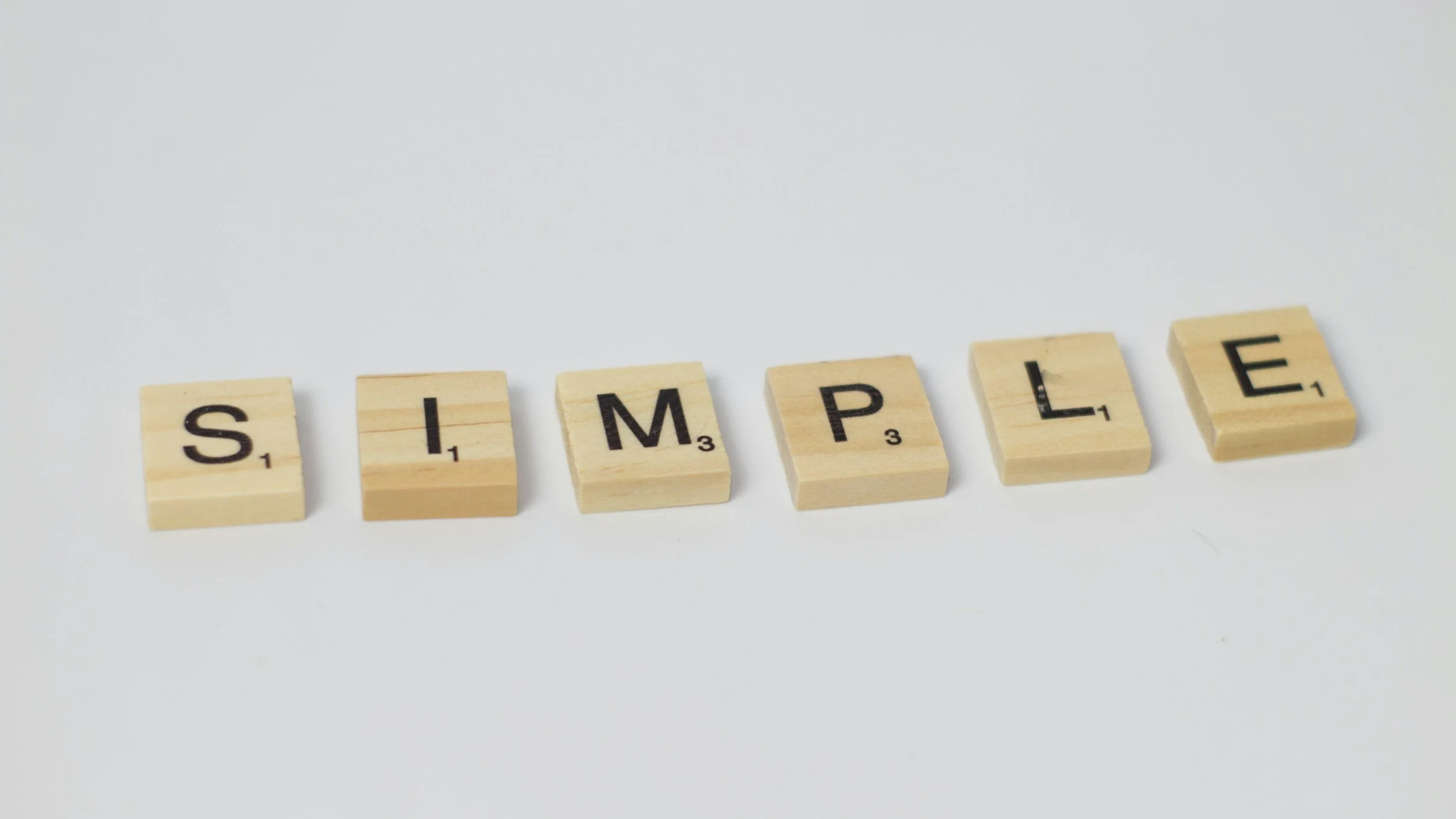
When starting out in design, it’s tempting to add more.
More colors. More typefaces. More graphics. More effects.
It feels like more effort should equal a better result. But over time, I’ve realized that some of the strongest designs come from doing the opposite, which is removing what isn’t necessary.
Simplicity isn’t about making things look basic. It’s about making ideas clear.
Doing Less, Communicating More
At its core, design is communication. If a viewer has to stop and figure out what they’re looking at, something isn’t working.
Simplicity forces you to prioritize. What’s the main message? What does the viewer need to see first? What can be removed without losing meaning?
When those decisions are made intentionally, the design becomes easier to understand and more effective overall.
Clear design doesn’t happen by accident, it’s the result of careful reduction.
The Challenge of Restraint
One of the hardest parts of simplicity is knowing when to stop.
As a student, it’s easy to feel like you need to prove your skill by showing everything you can do. But strong design often comes from restraint, not excess.
Choosing one typeface instead of three. Limiting your color palette. Using space instead of filling it.
These choices can feel uncomfortable at first, but they often lead to more confident and refined work.
Letting Space Do the Work
Negative space is one of the most powerful tools in design, but it’s also one of the most overlooked.
Instead of filling every area, leaving space allows the content to breathe. It creates focus, improves readability, and guides the viewer’s attention naturally.
When used well, space becomes part of the design, not something missing from it.
Simplicity Takes Time
Ironically, simple design usually takes more time.
It requires iteration, editing, and constant questioning. What can be removed? What can be clearer? What feels unnecessary?
This process isn’t about stripping a design down randomly, it’s about refining it until only the essential elements remain.
That’s what makes simplicity a skill, not just a style.
Final Thoughts
The more I design, the more I realize that simplicity isn’t about doing less work, it’s about making better decisions.
It challenges you to think critically, communicate clearly, and trust your choices.
As you look at your own projects, it’s worth stepping back and asking: what can be removed without weakening the idea? And more importantly, what happens when you do?
Sources & Further Reading
The Design of Everyday Things by Don Norman
Don’t Make Me Think by Steve Krug
Thinking with Type by Ellen Lupton
The Elements of User Experience by Jesse James Garrett
Nielsen Norman Group and the Interaction Design Foundation.

Hello, I’m Nick Apa
I am
blah
blah
blah
